Table of Contents
Roof leaks are one of the most dreadful nightmares any homeowner can face. The thought of water seeping into your home, causing potential damage, can be overwhelming. To address roof leaks effectively, the first step is always roof leak detection. Once you’ve pinpointed where the leak is coming from, you can take the right actions to prevent further damage and protect your home. So, let’s help you fix the roof before it becomes a bigger problem.
Why Roof Leak Detection is Crucial
When water gets into your home through a leaky roof, the consequences can be severe. From structural damage to mold growth, the damage can spread quickly. Roof leak detection and repair are vital to prevent these issues. Whether it’s a leaky roof or a small crack, addressing the issue as soon as possible is key.
- Prevents structural damage: Early detection helps avoid water soaking into your walls and foundation.
- Saves money: Fixing a small leak is much cheaper than dealing with extensive commercial roof repairs or flat roof leak repair.
- Protects your health: Mold thrives in damp conditions, and a roof leak can encourage mold growth.
- Preserves your home’s value: Keeping your roof in good condition helps maintain the value of your home or business property.
How to Detect Roof Leaks Early
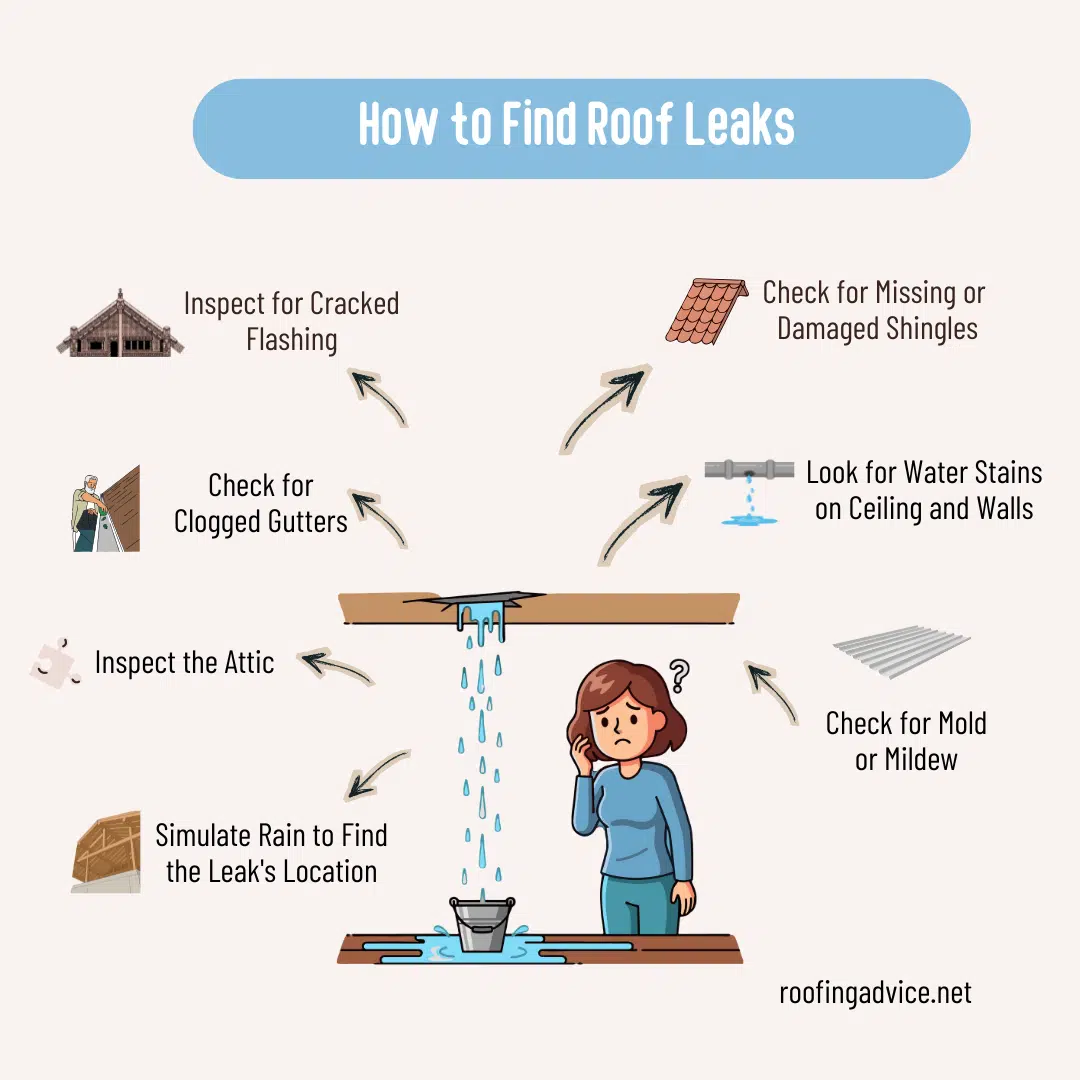
Detecting a roof leak can be tricky. Some leaks are easy to spot, while others require a more in-depth approach. Here are some methods to help you spot roof leaks early:
Visual Inspection
Credit: greenattic.com
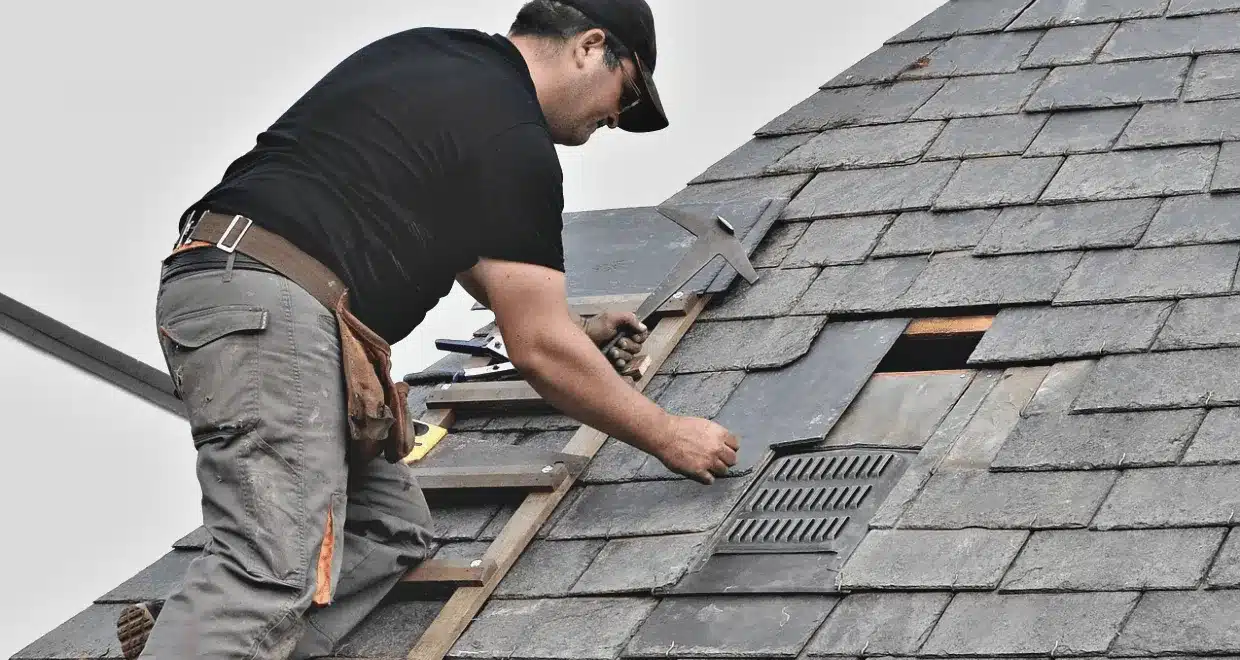
Start by checking your roof for visible damage. Walk around your house and look for the following signs:
- Missing or damaged shingles: These can expose the underlying roof materials, allowing water to seep in.
- Cracked flashing: Flashing around chimneys, vents, or skylights may crack over time, leading to leaks.
- Clogged gutters: If your gutters are clogged, water can back up and seep into your roof.
If you spot any of these issues, you may need roof leak detection and repair. If you’re unsure, call a roof leak detection specialist to inspect your roof.
Check for Stains
Credit: roofmedic.com
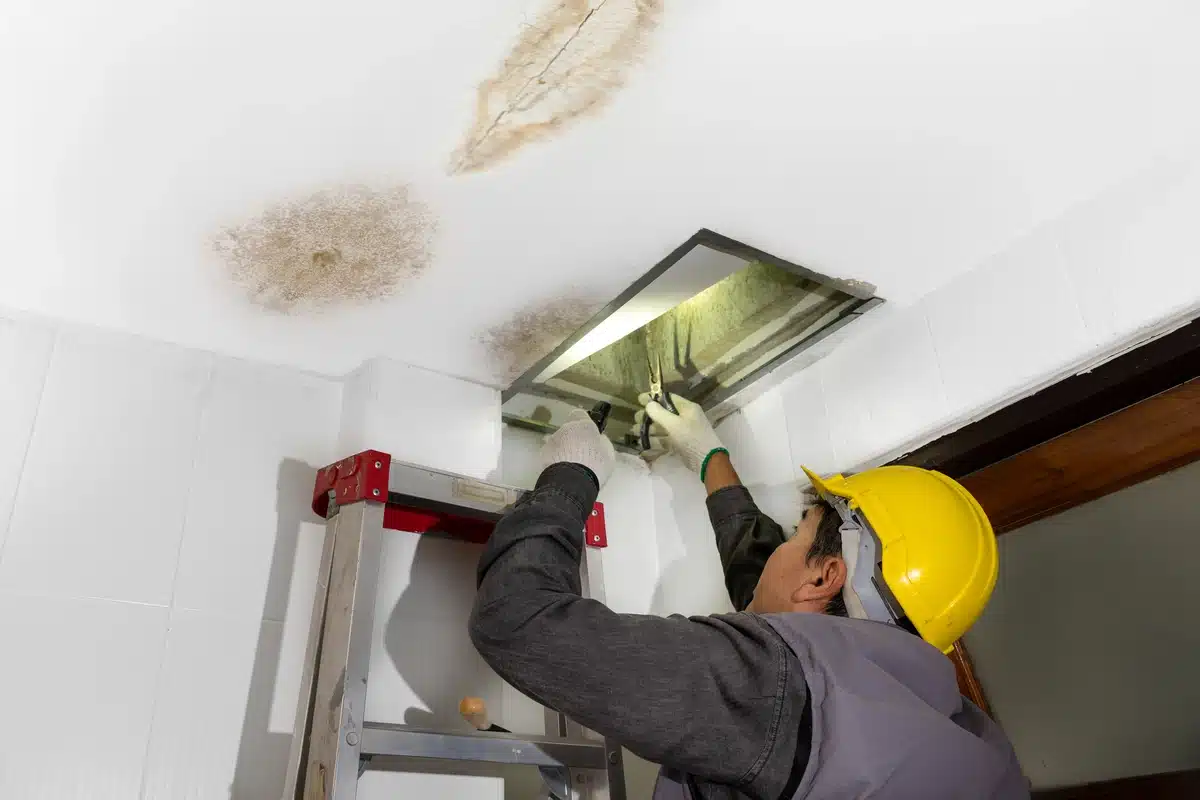
Look for water stains on your ceiling or walls inside your home. These can be a telltale sign of a roof leak. Stains may appear as dark spots or streaks, particularly around vents, chimneys, or skylights.
Now, if you notice stains, investigate the source. If they are related to residential roof leak detection, a professional can find the exact location.
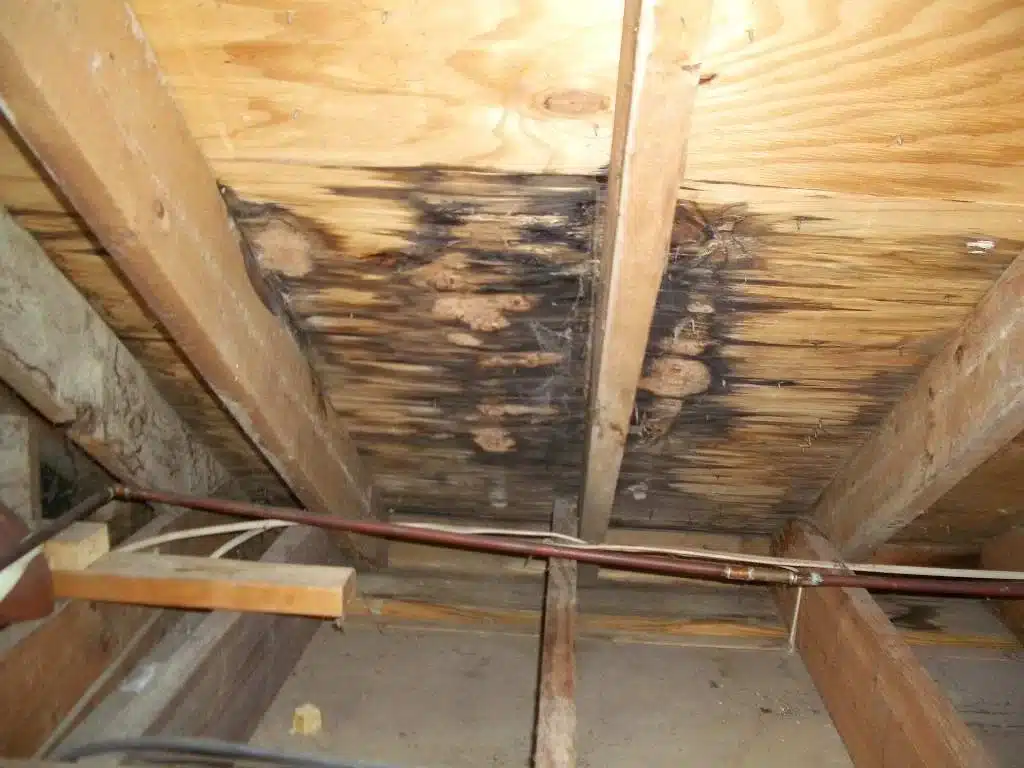
Inspect the Attic
Credit: revelationroofing.com
If you have access to your attic, check for any signs of moisture or water damage. Look for:
- Wet insulation: If the insulation is damp, it’s a clear sign of a leaky roof.
- Mold or mildew: These thrive in damp conditions and often indicate water infiltration.
Let me tell you something: if you spot water, mold, or damp insulation, you may need professional roof leak detection and repair services.
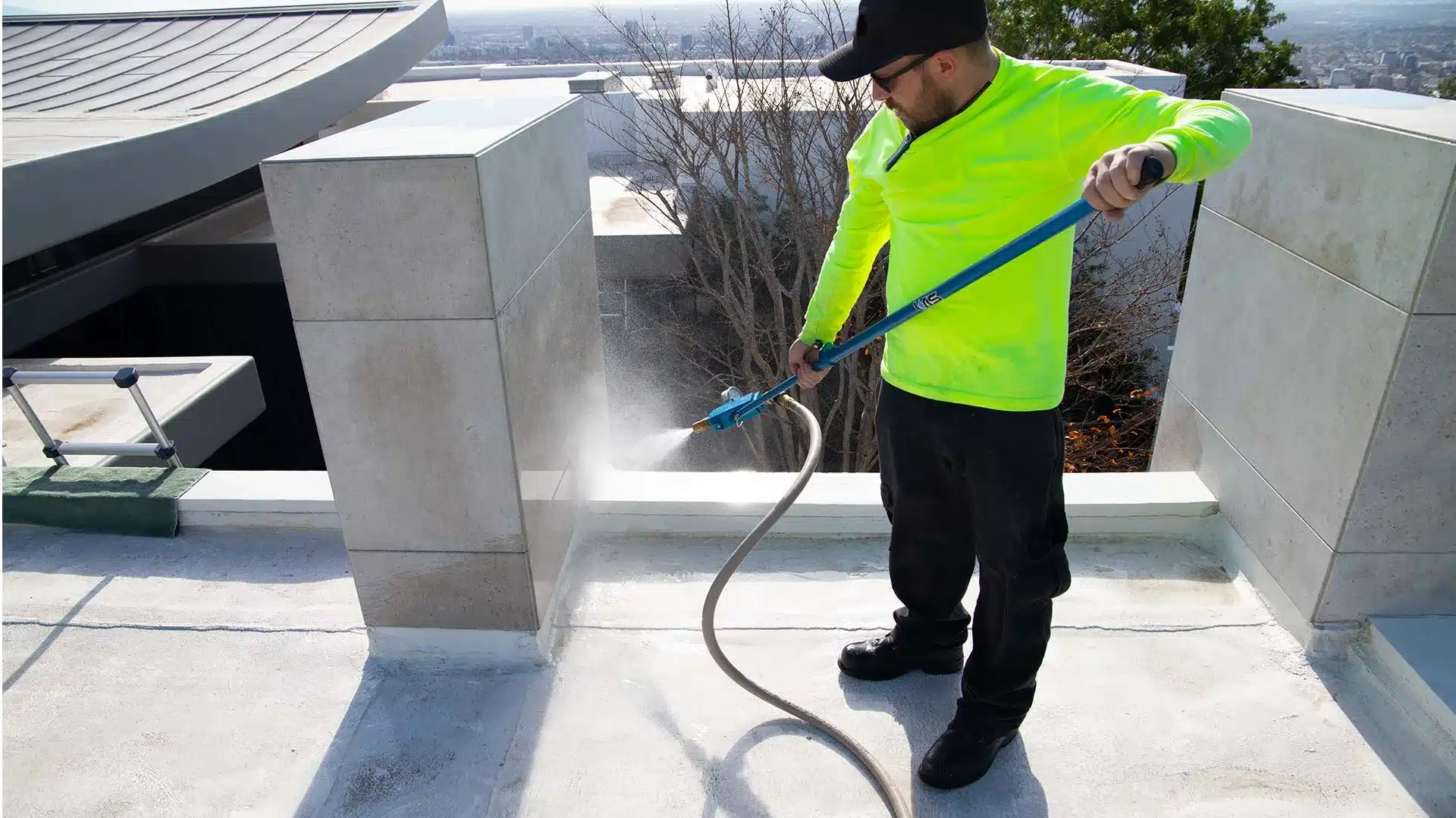
Use a Hose
Credit: buildingleakdetection.com
Another important tip is that if you can’t find the leak visually, you can use a hose to simulate rain. Have someone inside the house while you spray water on the roof in sections. This will help you find the exact location of the leak.
This method is helpful, but for more complex issues, especially with commercial roof leaks, it’s best to call in a professional.
Advanced Roof Leak Detection Technology
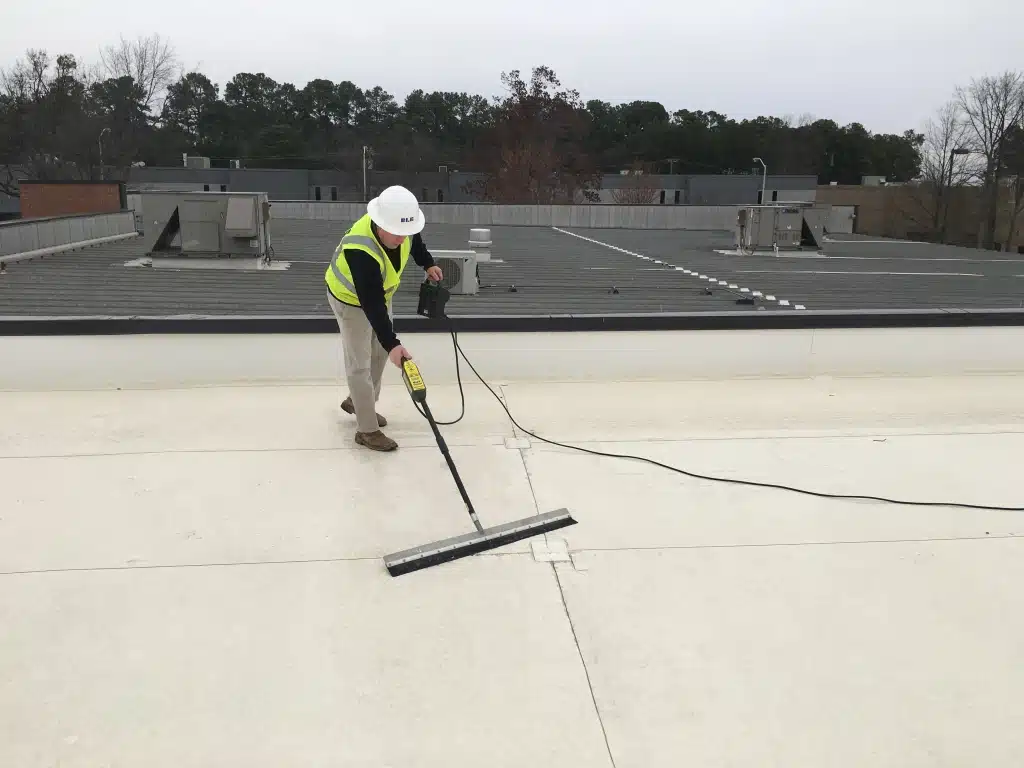
While traditional methods are useful, advanced roof leak detection technology can make the process faster and more accurate. Modern systems can help detect even the smallest leaks, preventing further damage.
Smart Leak Detection Systems
Credit: vilpe.com
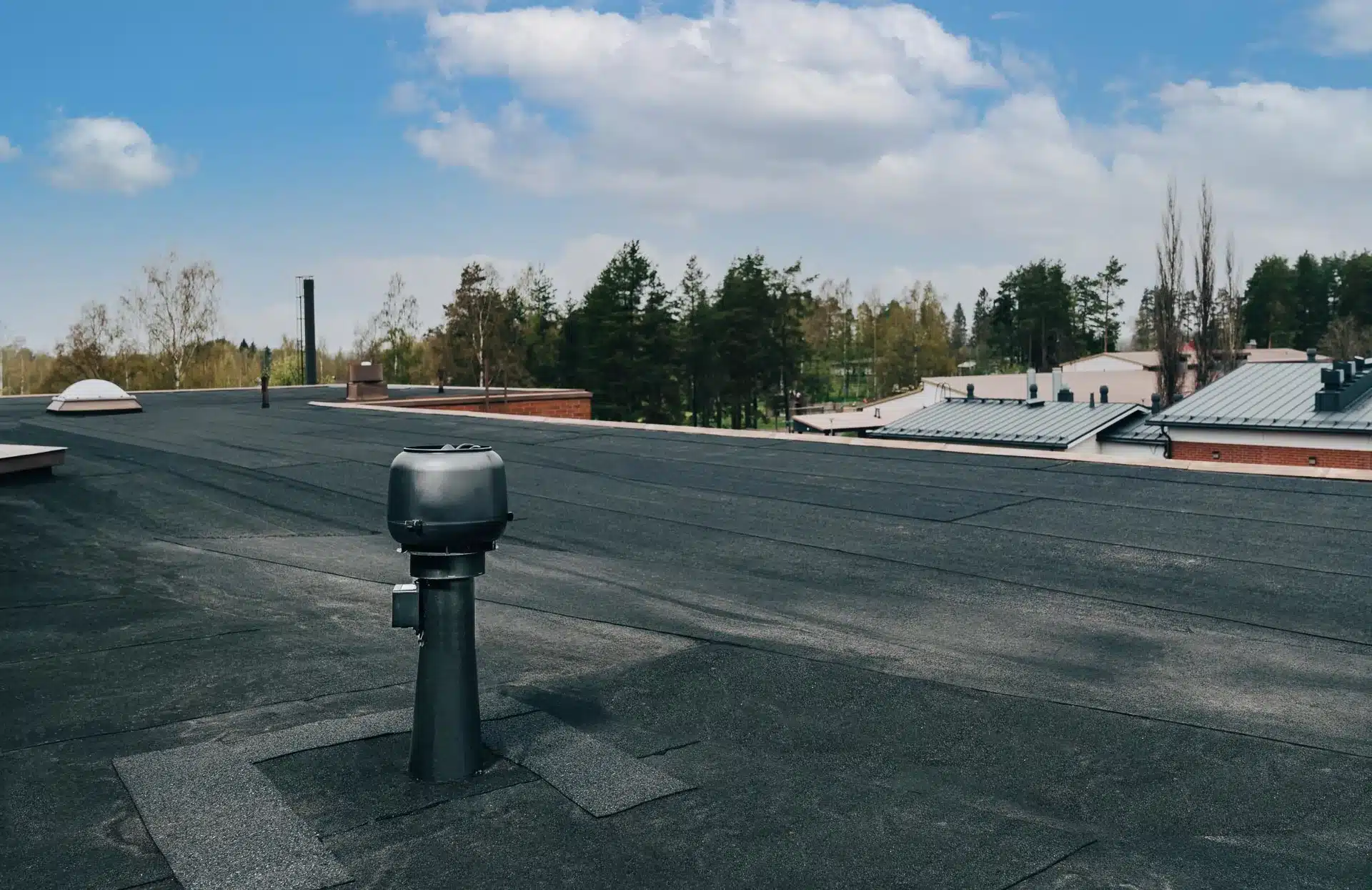
New smart technologies, like the VILPE Sense leak detector, monitor your roof for moisture in real time. These systems are ideal for large homes or commercial roof leak repair. Here’s how they work:
- Continuous monitoring: The system continuously checks for moisture levels in the roof.
- Early alerts: When the system detects moisture, it alerts you, allowing you to address the issue before it becomes a bigger problem.
- Humidity mapping: Advanced systems generate a humidity map, pinpointing the exact location of leaks.
Benefits of Smart Leak Detection
- Real-time detection: No more waiting for leaks to show up inside your home.
- Preventative maintenance: Regular monitoring helps you catch small issues early before they affect the integrity of your roof.
- Reduced costs: Early detection means smaller, cheaper repairs and helps you avoid the cost of major repairs like metal roof leak repair.
What to Do if You Find a Leak
If you detect a roof leak, it’s important to take action right away. Here’s what to do:
Contain the Leak
First, minimize the damage inside your home. Use buckets or towels to catch any water dripping inside. If you can safely access the leak, place a tarp over the affected area to keep rainwater out.
Call a Professional
Roof leak detection requires expertise, especially if the leak is hidden or the roof is hard to access. Contact a roof leak detection specialist to inspect and repair the roof damage. A professional will have the tools and experience to locate the leak quickly and fix it before it worsens.
Check Your Roof Regularly
Schedule regular roof inspections as part of your maintenance program. This will help prevent leaks and ensure your roof remains in good condition. Regular inspections allow you to catch potential issues early before they turn into costly problems.
Make sure to have your roof inspected annually to catch any leaks and prevent further damage. Regular inspections are crucial for both residential and commercial roof leak prevention.
Ending Remarks
Roof leak detection is an essential part of home and business maintenance. Whether you use traditional methods like visual inspections or advanced leak detection systems, early detection is the key to protecting your home. Don’t wait until water is pouring through your ceiling—stay proactive with regular inspections and maintenance. By catching leaks early, you can save yourself from expensive repairs and keep your home or business safe.
Frequently Asked Questions
To help you out further, we’ve answered some of the most common questions about roof leak detection below.
How often should I inspect my roof for leaks?
Inspect your roof at least twice a year, preferably in spring and fall, and after severe weather events.
How can I tell if a leak is from the roof or plumbing?
Check the source of the stain. If it’s around vents or chimneys, it’s likely from the roof. If it’s near pipes, it’s likely plumbing.
Can a roof leak cause mold?
Yes, roof leaks can lead to moisture accumulation, which encourages mold and mildew growth.
How do smart roof leak detection systems work?
They use sensors to monitor moisture levels and alert you when a leak is detected, preventing further damage.
Should I repair a roof leak myself?
If the leak is visible and accessible, you may be able to patch it temporarily. However, it’s best to call a professional to ensure proper repair.