Table of Contents
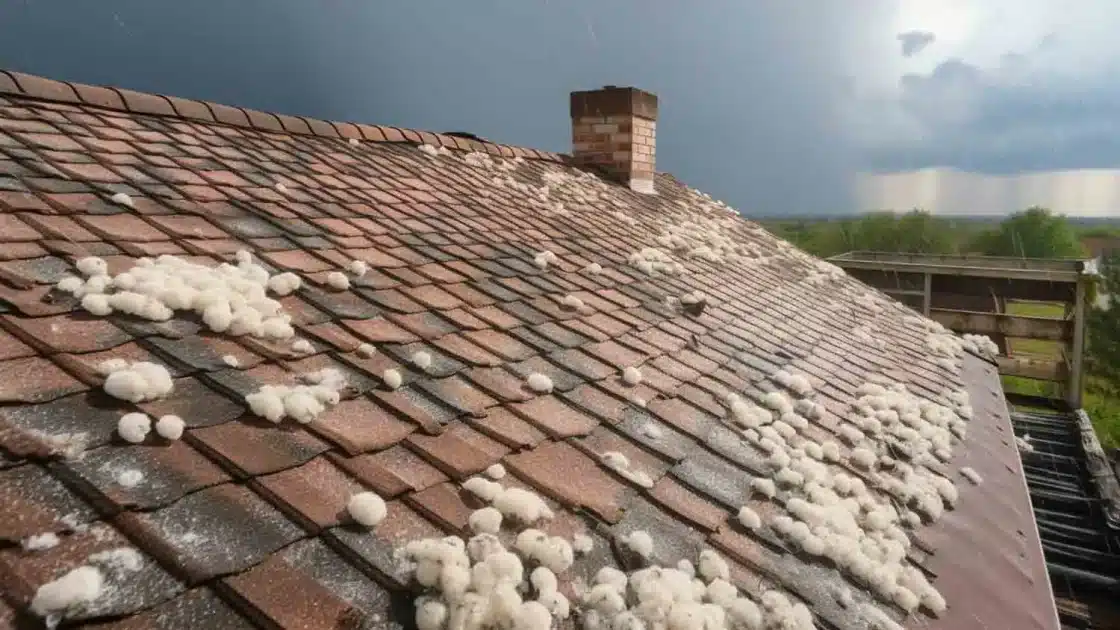
Did you know that hailstorms cause around $1 billion in damage to crops and property each year? With such a significant financial loss, it’s no wonder that many homeowners fear the potential damage a hailstorm can inflict on their homes. Hailstorms can strike suddenly and unexpectedly, often leaving behind costly repairs. Mishaps don’t knock at the door, and that’s why it’s crucial to be prepared for whatever Mother Nature throws your way. When it comes to your roof, which is your home’s first line of defense, it’s especially important to know how to spot hail damage early. Understanding how to identify hail damage on roof can save you from expensive repairs down the line. In this blog, we’ll explore how to spot hail damage, what you should do next, and how to protect your roof from the unpredictable forces of nature.
What Does Hail Come From?
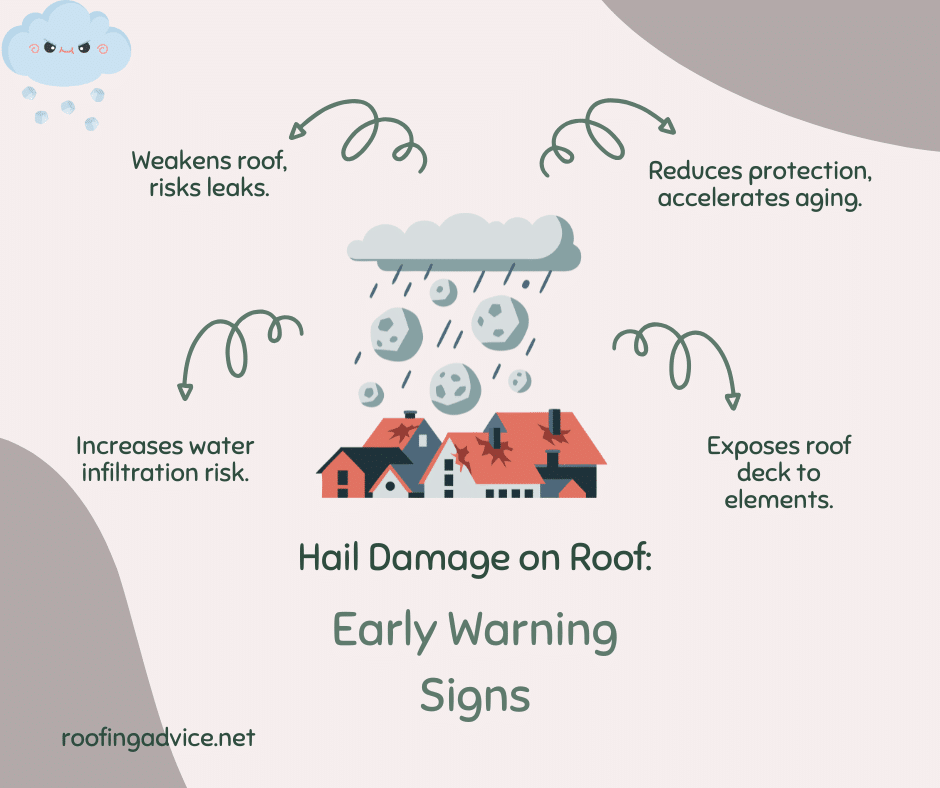
Before jumping into how hail damage to the roof occurs, it’s important to understand what hail actually is and how it forms. Hail is a form of precipitation, just like rain or snow, but it’s made up of ice. It starts when strong updrafts in thunderstorms carry water droplets high into the atmosphere, where temperatures are below freezing. These droplets freeze into small pellets of ice. The storm’s updrafts then carry these frozen droplets back up into colder areas of the atmosphere, causing layers of ice to form around the hailstone. Eventually, when the hailstone becomes too heavy for the updrafts to support, it falls to the ground.
The size of the hailstone depends on the strength of the storm’s updrafts, and they can range from tiny, pea-sized pellets to golf-ball or even baseball-sized chunks. Larger hailstones can cause more significant hail damage to the roof, especially when they strike your roof with such force.
How Does Hail Damage Your Roof?
Now that you know where hail comes from, let’s talk about how hail damage roof repair actually happens. Hailstones, even as small as pea-sized, can cause all sorts of issues. They strike your roof with intense force, potentially cracking or bruising shingles, knocking off granules, or denting metal panels. The materials your roof is made of—whether asphalt, wood, metal, or tile—will respond differently to hail, but the impact can still be significant.
Here’s how hail damage typically looks based on material type:
- Asphalt Shingles: These are the most common roofing material, and they can sustain significant damage from hail. Look for dark spots where granules are missing, or a visible dent that exposes the underlying layer. In more severe cases, the fiberglass mat might be exposed. Once this happens, the shingle’s ability to protect your home from water damage is compromised, increasing the risk of leaks and further rain damage to the roof.
- Metal Roofing: Hail damage on metal roofs can lead to dents or dimples in metal roofing, especially around areas like vents and flashing. These might not seem severe, but they can weaken the integrity of the material and eventually lead to leaks. Spotting hail damage on the roof early can help prevent costly repairs down the road.
- Wood Shingles: Wood shingles are more vulnerable to cracking under the impact of hail. You may notice cracks along the grain or splintering, particularly in older or brittle wood shingles. Over time, these cracks can lead to moisture infiltration, which accelerates wood rot. Spotting roof damage from hail early helps avoid water pooling, which leads to rain damage to the roof.
- Tile Roofing: Tile roofs, particularly those made of clay or concrete, are highly durable but not immune to hail damage. Signs of hail damage on tile roofs often include cracks, particularly around the edges. If left unaddressed, these cracks can lead to leaks, increasing the risk of water damage.
Subtle Signs You Might Have Hail Damage
Sometimes, hail damage on the roof isn’t immediately obvious. Small issues can snowball into larger problems if not addressed. Here are subtle signs of hail damage you should keep an eye out for after a hailstorm:
Granule Loss
Credit: tadlockroofing.com
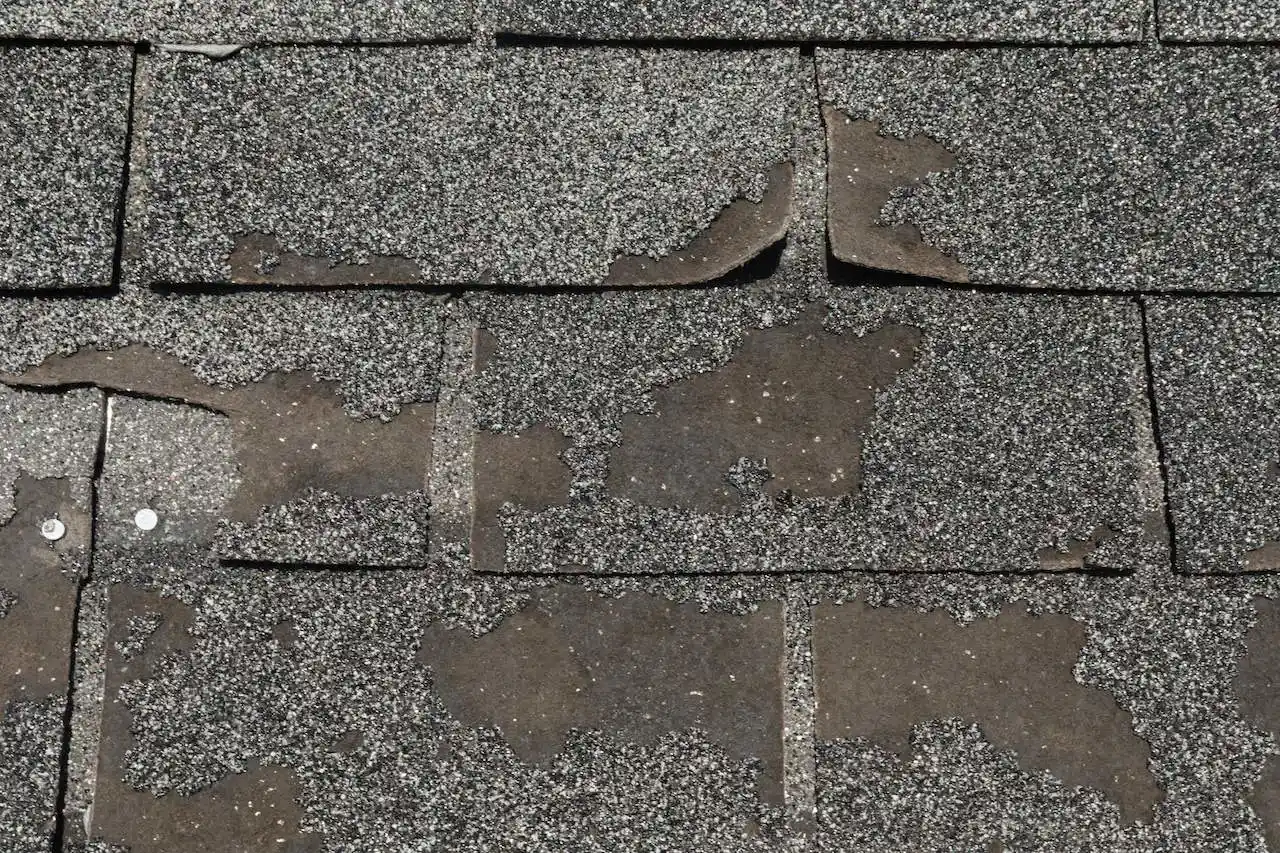
You might have heard about this one. Granule loss is one of the earliest and most common signs of hail damage to the roof. The granules on asphalt shingles help protect your roof from harmful UV rays and rain. When hailstones hit the shingles, they can knock off these granules, exposing the shingles to further wear and tear. Missing granules can also make your roof more susceptible to leaks.
Signs of granule loss:
- Visible bald spots on shingles.
- Granules in gutters or on the ground.
- Dark patches where the protective granules are missing.
Granule loss accelerates the aging of your shingles, leaving your roof exposed to rain damage and leading to costly repairs down the line.
Loose or Missing Shingles
Credit: firstamericanroofing.com
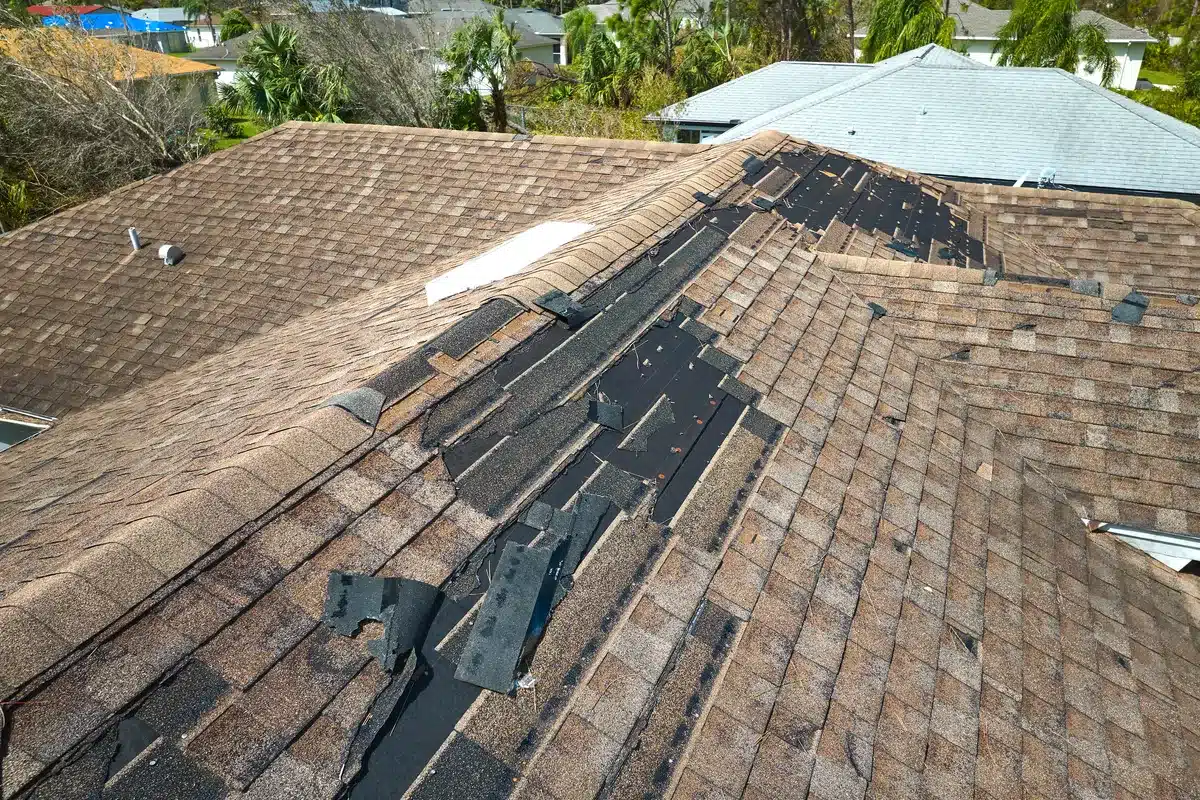
If your shingles are loose or missing after a hailstorm, it’s an immediate red flag. Hail can dislodge shingles or cause them to lift. A missing or loose shingle exposes the roof deck to the elements, allowing water to seep in and potentially cause leaks.
Signs of loose or missing shingles:
- Shingles are noticeably lifted or displaced.
- Gaps between shingles.
- Visible missing shingles, especially in high-impact areas.
Loose shingles can increase the likelihood of leaks and water damage, making it important to address this issue quickly.
Spongy Roof Deck
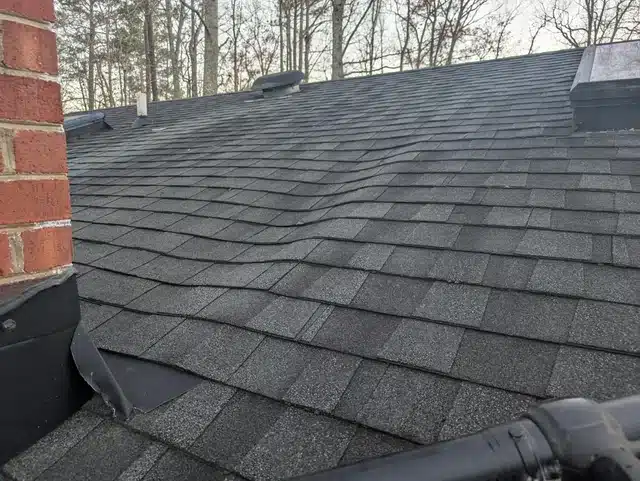
Credit: reddit.com
A spongy roof deck is a sign that moisture has penetrated beneath the shingles. This is typically detected during a roof inspection. If your roof deck feels spongy or soft in certain areas, it may mean that the water has soaked through damaged shingles, causing the roof deck to weaken. This can also lead to water pooling in areas, increasing the risk of leaks and rot.
Signs of a spongy roof deck:
- Soft or bouncy areas in your attic or ceiling.
- Moisture is visible on the underside of shingles.
- Visible water stains in the attic or ceiling.
If left unchecked, a compromised roof deck can result in more extensive and costly damage.
Gutter Granules
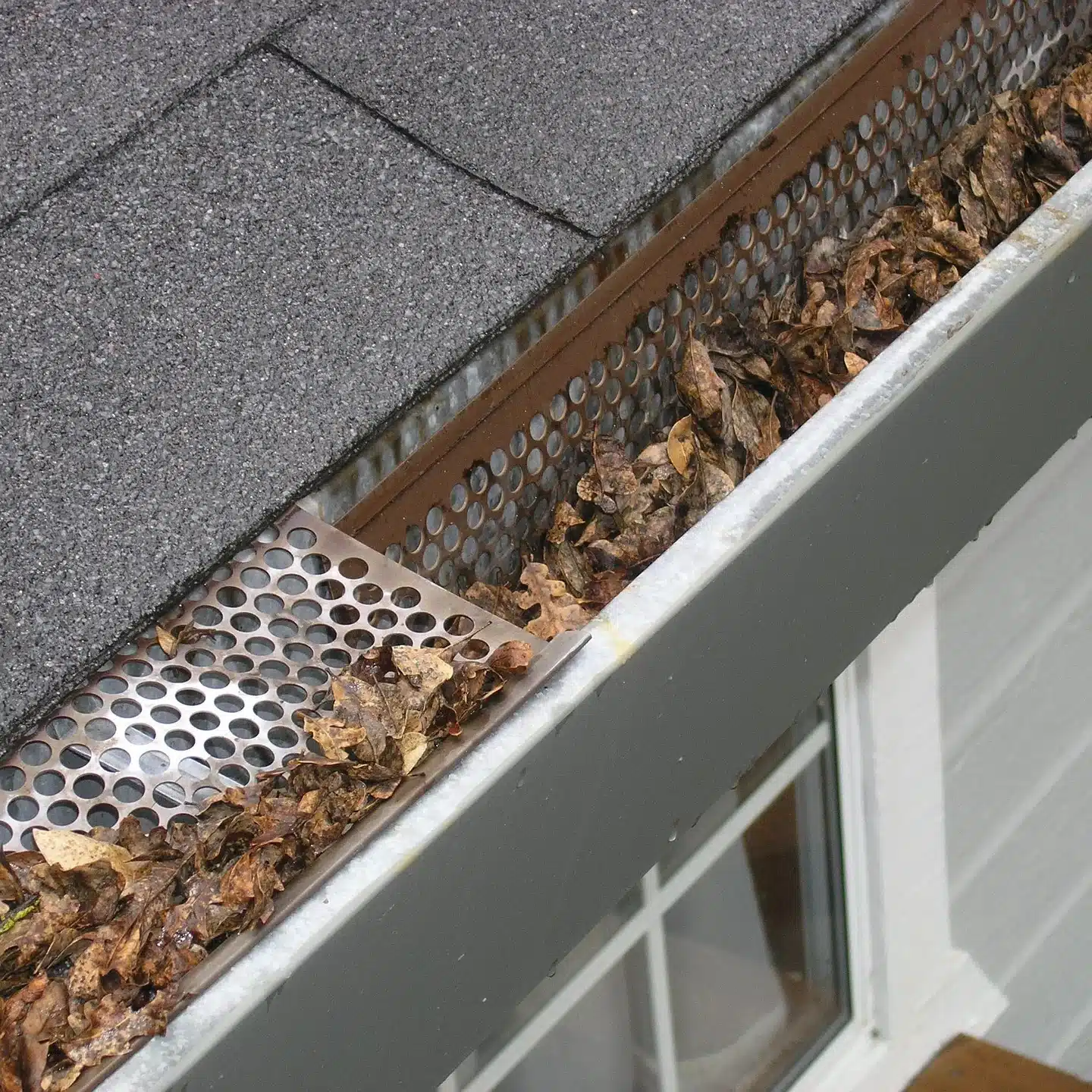
Credit: rooflife-oregon.com
If you notice an unusual amount of granules in your gutters or on the ground after a storm, it may indicate that hail has worn down the granules on your shingles. Granules help protect your roof from the sun’s UV rays and water damage. The loss of granules means your roof is becoming more vulnerable to damage and may need immediate attention.
Signs of granules in gutters:
- Granules clogging your gutters.
- A layer of granules is accumulating in your yard or driveway.
- Asphalt shingles are showing signs of discoloration or fading.
Gutter granules are an early warning sign that your shingles may be experiencing hail damage.
How to Spot Hail Damage on Your Roof
It’s easy to assume that hail damage to the roof is just about the obvious dents or cracks, but as we mentioned, it can be more subtle. If you’ve had a hailstorm pass through, here’s what to do:
- Inspect from the Ground: Start by looking at your roof from a safe distance. You can use binoculars to spot visible damage like missing shingles, granule loss, or obvious dings on metal panels. This is your first step, but don’t climb on the roof just yet.
- Check the Gutters: Look for granules in the gutters, as this is a good indication of shingle wear from hail damage. If you find a significant amount, it could be a sign of extensive damage.
- Look for Water Stains: Inside your home, check the attic or ceilings for signs of water leaks. These could indicate that hail damage has caused enough damage to let water in. Don’t ignore any signs of leaks—these can lead to much larger issues, such as mold growth or structural damage.
- Hire a Professional: If you’re unsure or want to avoid climbing on the roof yourself, it’s always best to call a professional roofing contractor for a thorough inspection. They have the tools and experience to spot less obvious signs of damage, like internal cracks or bruises in shingles that could lead to leaks down the line.
Now that you have pinpointed the damage signs, why not go through the guide on liquid roof repair solutions? If your roof structure is damaged in a hailstorm, these liquid repair solutions might be of some help. Do check it out.
What Should You Do If You Spot Hail Damage?
Credit: metrocityroofing.com
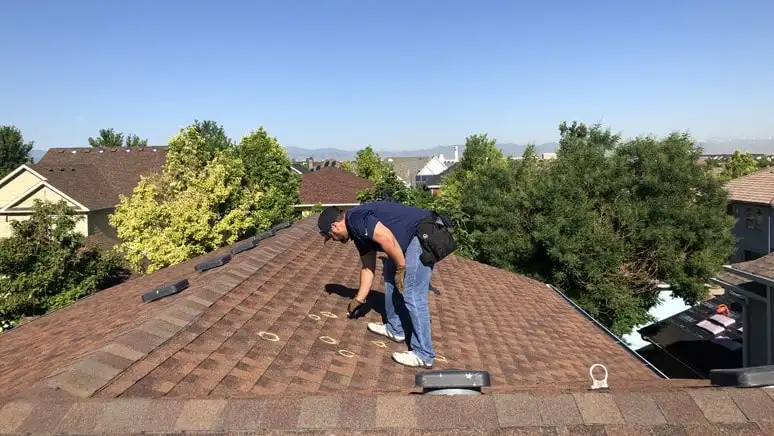
Once you’ve confirmed that hail damage has affected your roof, it’s crucial to take the right steps:
- Document the Damage: For insurance purposes, take photos and videos of the damage you see. Documenting the damage from multiple angles will help when filing a claim with insurance companies. Make sure to capture close-up shots of specific areas like missing shingles or visible cracks.
- File an Insurance Claim: Most homeowners’ insurance policies cover hail damage to the roof, but it’s essential to act quickly. Insurance policies often have time limits for filing claims—typically within a year of the damage occurring. The longer you wait, the more difficult it may be to prove the damage.
- Get an Estimate: Once you’ve filed your claim, have a professional roofing contractor assess the damage and provide an estimate for repairs or replacement. Depending on the extent of the damage, you might need a full replacement or just some repairs.
- Repair or Replace: After receiving approval from your insurance and getting an estimate, proceed with the necessary repairs. Don’t put it off—hail damage can worsen over time, leading to more expensive issues down the road.
The Cost of Hail Damage Repairs
The cost to repair hail damage to the roof can vary depending on the size of the storm, the extent of the damage, and the materials involved. On average, repairs might cost:
- Minor Repairs: If you just need a few shingles replaced or minor repairs, expect to pay between $700 and $1,500.
- Moderate Repairs: Partial reroofing or sealing exposed areas could cost between $1,500 and $5,000.
- Major Repairs: Extensive damage might require a full roof replacement, costing anywhere from $20,000 to $35,000, especially if you have metal or tile roofing.
While asphalt shingles tend to be cheaper to replace, metal roof hail damage can be much more expensive to repair or replace, especially if the hailstorm was particularly severe.
Final Words
So, I think we have learned that hail damage on the roof might seem like a minor issue at first, but if left unchecked, it can lead to expensive repairs and more serious problems. The key is to spot roof hail damage early and take prompt action. By staying vigilant, inspecting your roof after storms, and working with a professional roofing expert, you can protect your home from the long-term consequences of hail damage.
Frequently Asked Questions
And now, let’s wrap up our discussion on hail damage.
How do I know if my roof has hail damage?
Look for signs like missing granules, cracked shingles, dents in metal panels, or water leaks inside your home.
Can hail damage my roof even if the hailstones are small?
Yes, even small hailstones can cause damage over time, especially by knocking off granules from shingles, which leaves your roof vulnerable.
How soon should I get my roof inspected after a hailstorm?
It’s best to inspect your roof immediately after a hailstorm or within a few days to catch any damage early.
Will my homeowners’ insurance cover hail damage?
Most homeowners’ insurance policies cover hail damage to the roof, but it’s important to check your specific policy to make sure you’re covered.
How much does it cost to repair hail damage?
Repair costs vary, but minor repairs can range from $700 to $1,500, while full roof replacements can cost upwards of $20,000.