Table of Contents
So, the deal is that if you’re thinking about a new roof or roof upgrade, you’ve probably heard the term “fibreglass roofing” thrown around. Maybe it sounds sleek, modern—and a bit mysterious. I get it. When I first learned about fibreglass roofs, I had a ton of questions too. Is it strong enough? Does it leak? How long does it last? Today, I want to walk you through everything you need to know about fibreglass roofing—its benefits, its drawbacks, how it’s installed, and when it makes sense. By the end, you’ll feel confident deciding whether it’s right for your home or building. So, grab a drink, and let’s dive in.
What Exactly is Fibreglass Roofing?
Credit: ebay.co.uk
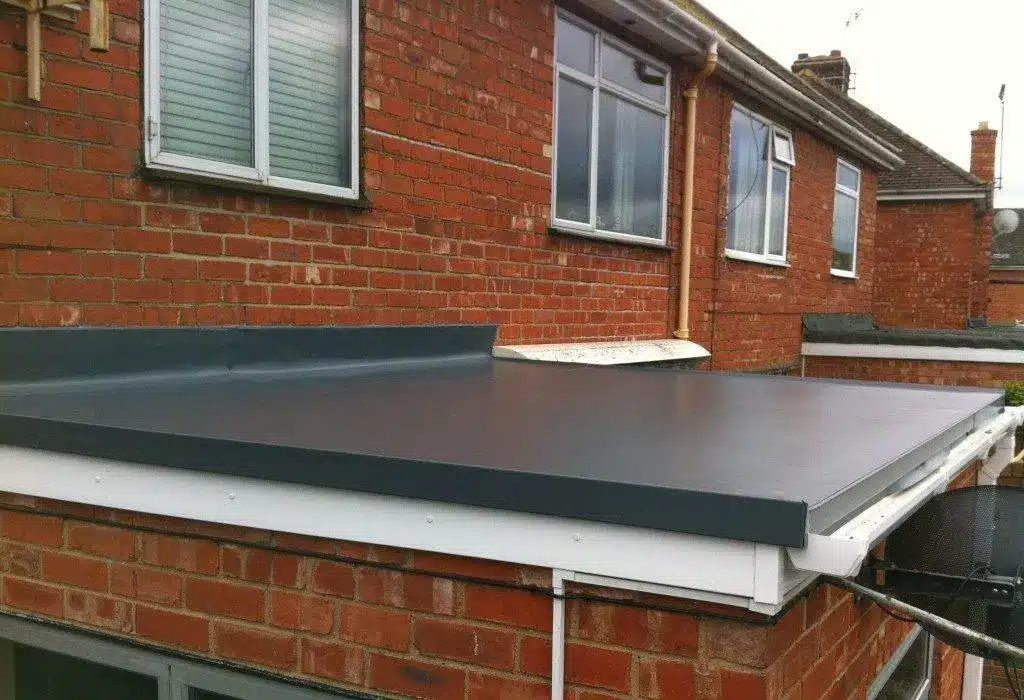
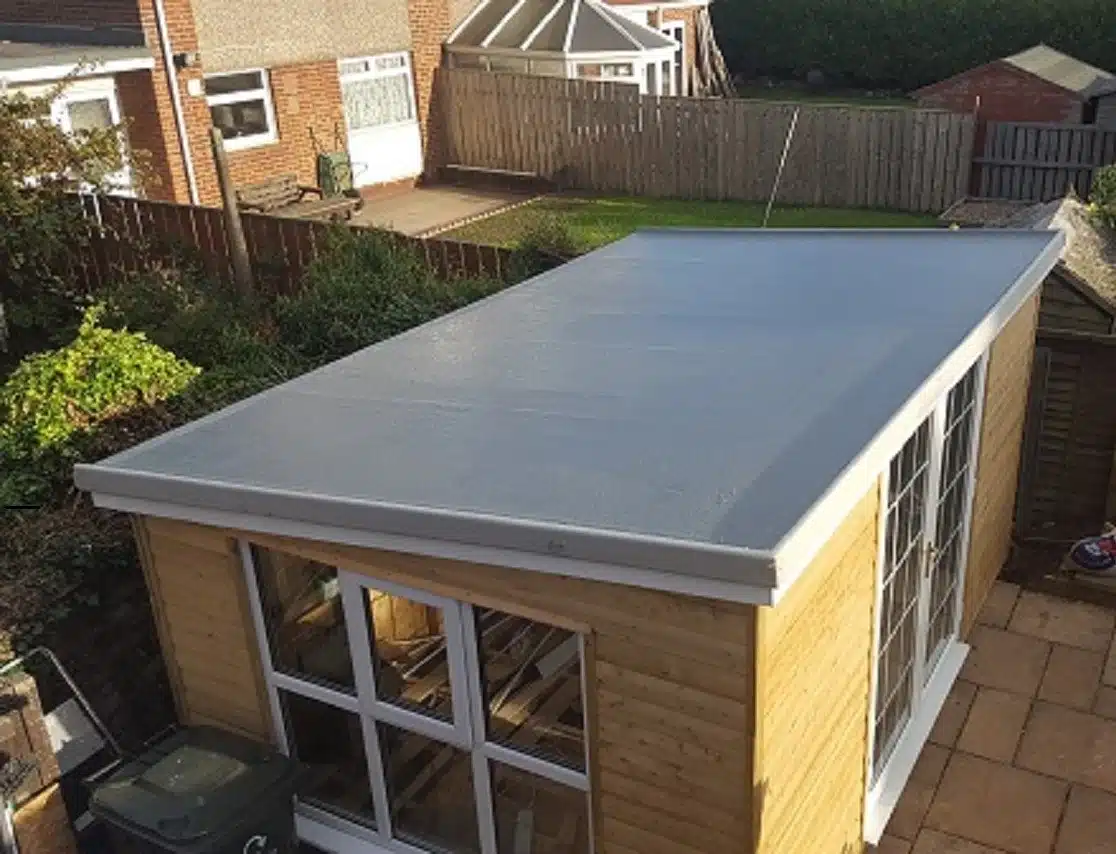
In simple words, fibreglass roofs, often referred to as GRP (glass-reinforced polyester), is a composite material made by embedding glass fibers into resin. Once the material cures, it forms a strong, waterproof, weather-resistant membrane, ideal for flat roofs. Unlike traditional materials like asphalt shingles or metal, fibreglass flat roofing offers a seamless finish, reducing the risk of leaks and simplifying maintenance.
It’s commonly used for fibreglass flat roof installation in areas like garages, extensions, and even greenhouses. But fibreglass roofs can be applied to almost any building type, depending on the requirements.
Why Fibreglass Roofing Is Gaining Popularity
As much as the concept is intriguing, let’s talk about its popularity.
Durable and Weather-Resistant
Fibreglass roofs can withstand extreme weather conditions, from heavy rain to intense UV rays. This makes them particularly well-suited for roofs exposed to unpredictable weather. The material is also susceptible to cracks over time, especially in areas with drastic temperature changes, but proper fibreglass roof maintenance can help extend the roof’s life.
Long Lifespan
Credit: theflatroofcompany.ie
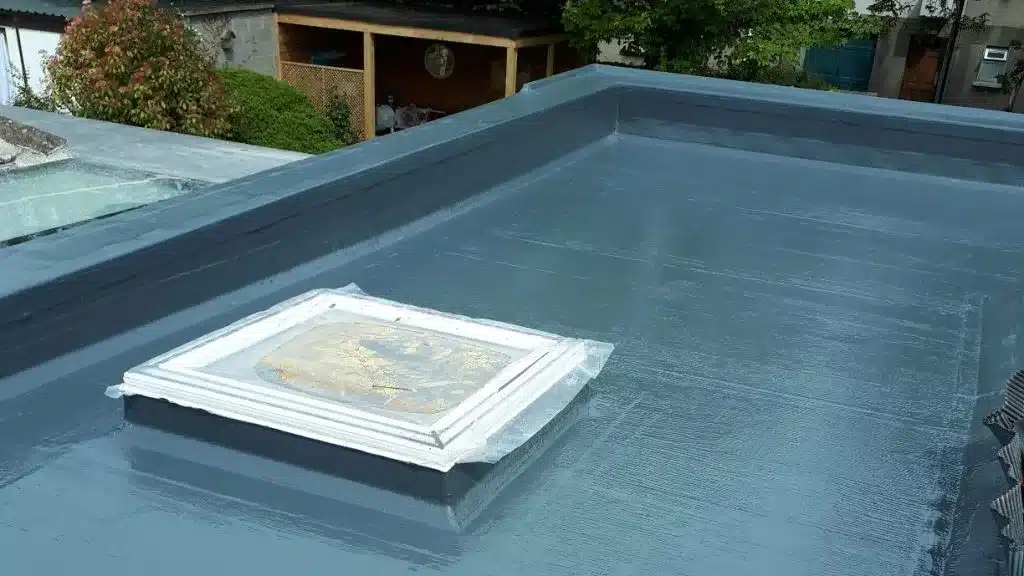
When installed correctly, fibreglass roofing can last 20–30 years, sometimes longer. Fibreglass roofs outlast many other roof types, thanks to their resistance to wear, moisture, and extreme temperatures. Proper maintenance, like applying a top coat regularly, can also extend their life expectancy.
Seamless and Low-Maintenance
One of the main reasons people choose fibreglass flat roofing is the minimal upkeep required. Because of its smooth, continuous nature, it’s resistant to cracks and water penetration. With regular maintenance, your fibreglass roof will remain solid for years.
Lightweight and Strong
Despite being lighter than materials like metal or tile roofs, fibreglass roofs are incredibly strong. This makes them ideal for flat roofs or areas where weight is a concern. Fibreglass roofing supplies are easy to handle, reducing installation time and cost compared to heavier materials.
Waterproof with Good Insulation
Fibreglass roofing forms a watertight barrier, helping to prevent leaks and water damage. It’s also a good insulator, reducing heat transfer, especially on flat roofs that may otherwise struggle to keep the interior temperature regulated.
What’s the Installation Process Like?
Credit: roofingsuperstore.co.uk
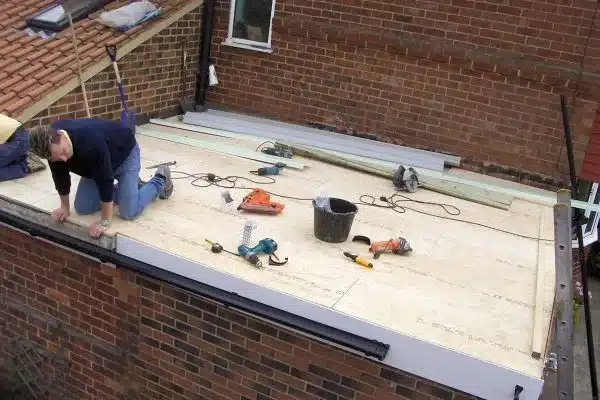
Installing fibreglass roofing is a bit more involved than traditional shingles, but it’s manageable, especially with professionals. Here’s a simple overview of the fibreglass roof installation process:
- Prepare the Roof Deck: Ensure the roof deck surface is clean, dry, and structurally sound.
- Apply the Fibreglass Mat: Lay the fibreglass roof kit over the roof surface.
- Resin Application: Apply the resin to bond the fibreglass mat to the roof and form a waterproof layer.
- Top Coat: After the resin cures, apply a protective top coat to shield the roof from UV rays and weather conditions.
- Install Edge Trims and Flashing: Ensure the edges of the roof are sealed properly for optimal drainage and protection.
While it’s possible to install a fibreglass flat roof yourself with a fibreglass roof kit, it’s best left to professionals to ensure the installation is done properly. Any issues with the installation process could lead to fibreglass roof problems later.
Disadvantages of Fibreglass Roofing
Everything has downsides. So is the case with fibreglass. It has many benefits, but it’s not without its drawbacks. Here’s a look at some of the potential downsides:
Higher Upfront Cost
The fibreglass flat roof cost per square metre is higher than traditional roofing materials. The cost of fibreglass roofing supplies, installation, and the required skill to apply it adds to the initial investment. However, when considering its long lifespan, the overall value is usually worth it.
Installation Requires Skill
Because of the need for precise resin application and curing, fibreglass roofing installation requires skilled professionals. If done poorly, it can result in leaks or premature wear. Always choose a trusted fibreglass roofing company to avoid fibreglass roof repair down the line.
Susceptible to Cracks
While fibreglass roofing is durable, it’s still susceptible to cracks under extreme pressure, especially in areas with rapid temperature changes or heavy impacts. Regular maintenance can minimize this risk.
Is Fibreglass Roofing the Right Choice for You?
Credit: roofingsuperstore.co.uk
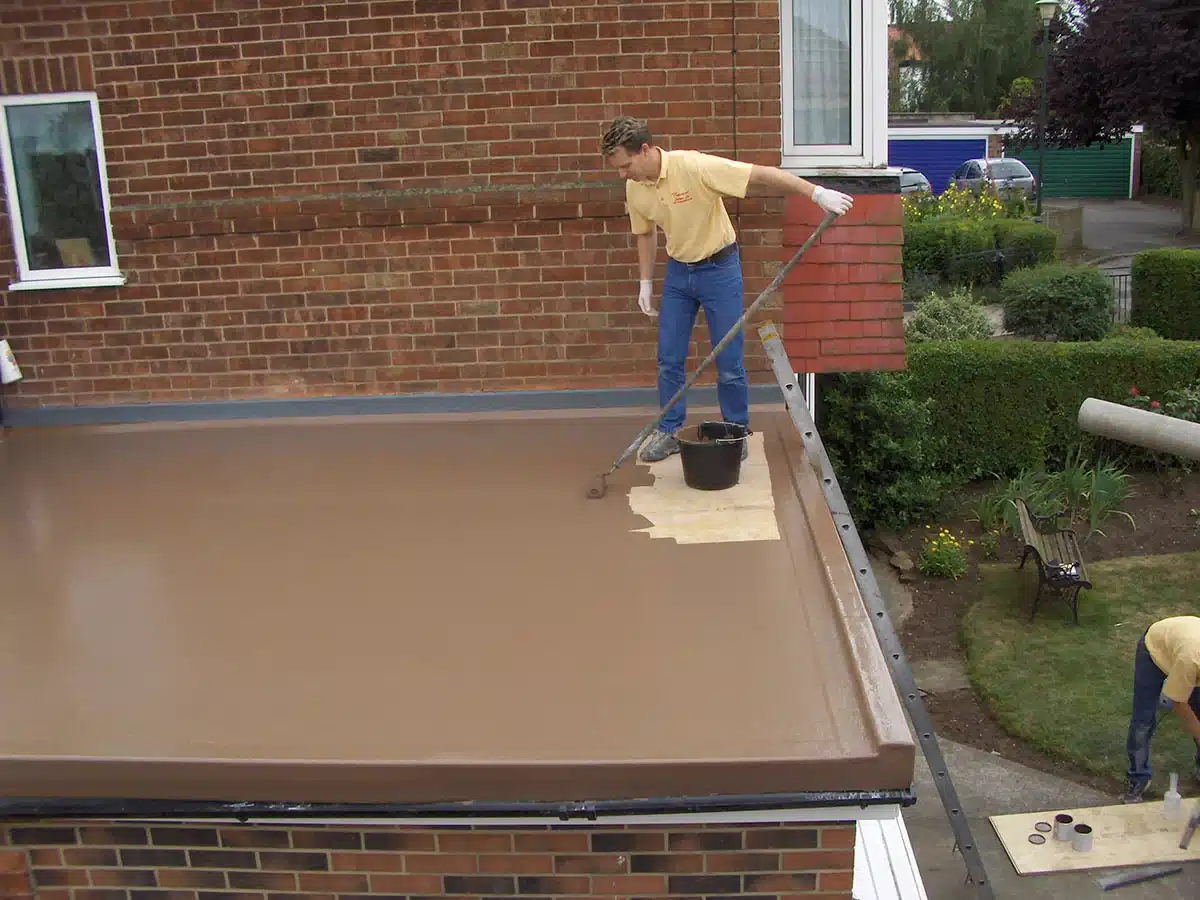
Now that you know about the benefits and drawbacks of fibreglass roofing, the next question is, is it the right option for your roof?
Fibreglass roofing is ideal for:
- Flat roofs: Their seamless nature makes them perfect for low-sloped roofs.
- Low-maintenance roofs: If you’re looking for a roofing system that requires minimal care, fibreglass flat roofing is a solid choice.
- Long-term investment: With a long lifespan and good weather resistance, it’s worth considering for your next roof project.
If you’re specifically interested in flat roofs, fibreglass roofing is a strong option due to its smooth, seamless nature. For a comparison of different flat roof materials, take a look at this comprehensive guide.
However, it might not be the best choice for:
- Aesthetic-focused roofs: If you’re looking for a traditional roof look, fibreglass roofs may not offer the visual appeal you want.
- Budget-conscious homeowners: The fibreglass flat roof cost per square metre is more expensive than basic alternatives like asphalt.
- Extremely harsh climates: If your area experiences extreme temperature fluctuations or significant impact risks, fibreglass may need extra maintenance to last.
How to Care for Your Fibreglass Roof
While fibreglass roofing is durable and low-maintenance, it still needs some care to stay in top condition:
- Regular inspections: Check your roof at least twice a year, especially after heavy storms.
- Clean debris: Remove leaves, dirt, and moss that could cause water pooling.
- Top coat maintenance: Reapply the top coat every few years to maintain its protective properties.
- Fix minor damage early: Address small cracks or chips right away to prevent further damage.
Ending Remarks
When you’re choosing a roof, fibreglass roofing offers a lot of advantages. It’s durable, low-maintenance, and incredibly effective at handling rain and snow. But it’s not a one-size-fits-all solution. The fibreglass flat roof cost per square meter, the installation skill required, and the potential issues with cracking might make it less ideal for some.
If you’re looking for a roofing option that combines strength and weather resistance, fibreglass roofs can be a fantastic choice. With proper installation and regular maintenance, they can protect your home for decades.
Frequently Asked Questions
Still confused? Here’s what you need to know about fibreglass roofing.
How long does a fibreglass roof last?
With proper care and maintenance, fibreglass roofs can last 20–30 years or more.
Are fibreglass roofs any good?
Yes, fibreglass roofing offers excellent durability, weather resistance, and minimal maintenance.
How to clean a fibreglass roof?
Use a soft-bristle brush or hose with low pressure to remove debris. Avoid harsh chemicals to prevent damage.
What’s the cost of fibreglass flat roofing?
The fibreglass flat roof cost per square metre varies depending on materials, installation, and location, but it’s generally higher than traditional roofing options.
How do I know if my fibreglass roof needs repair?
Look for cracks, pooling water, or visible damage to the top coat. Regular inspections can help spot issues early.